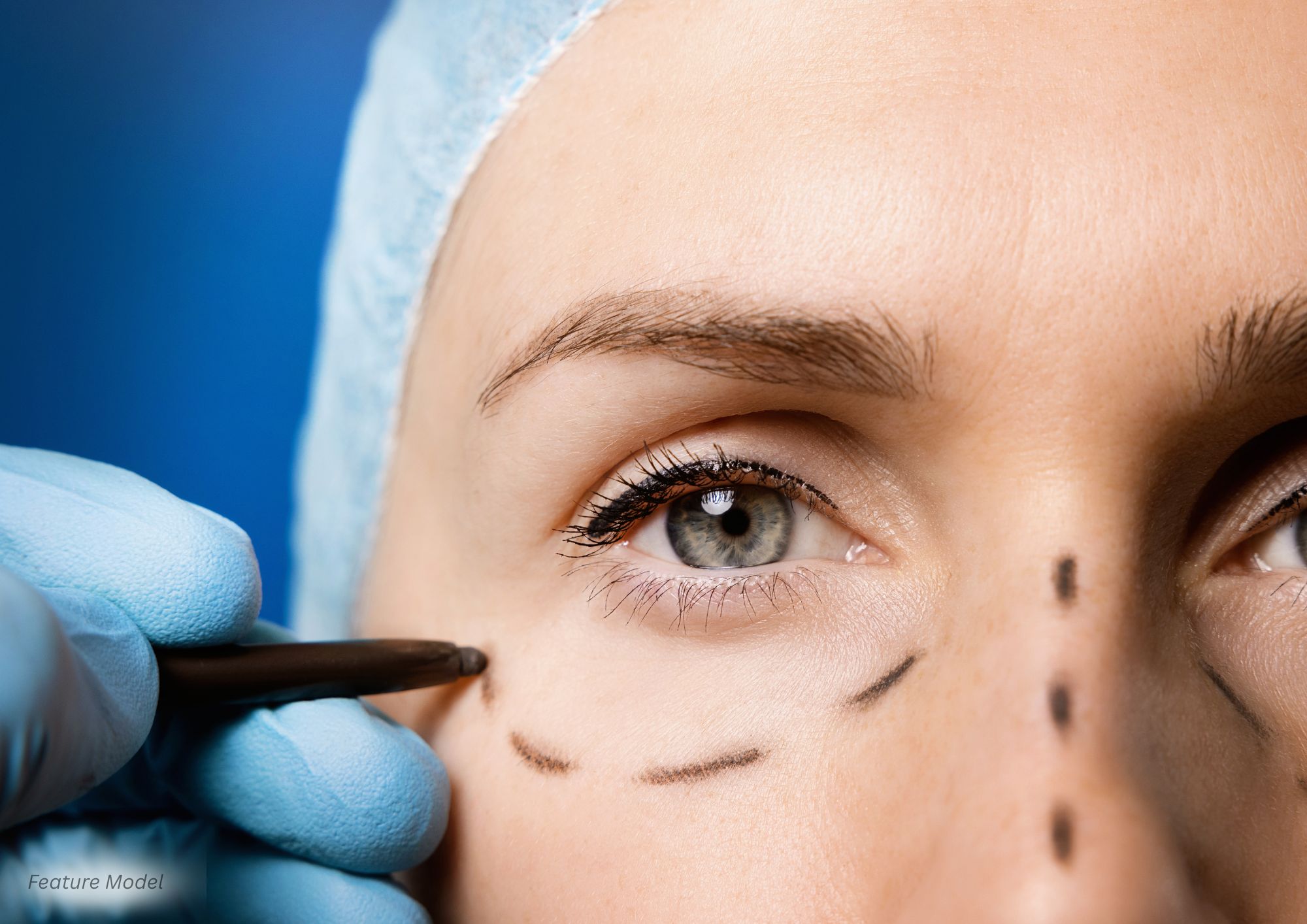
Can You Have a Deep Plane Facelift After a Previous Facelift?
Quick Answer: Yes, you may be able to have a deep plane facelift after a previous facelift, even if your first surgery was 10 or 15 years ago. This is called a revision or secondary facelift. It may improve returning jowls, sagging cheeks, and loss of jawline definition. However, earlier surgery can leave scar tissue that affects how deeper facial tissues are lifted again. Your previous facelift technique, healing, and overall health help determine whether another procedure is appropriate.
Why Would Someone Need a Second Facelift After 10 or 15 Years?
A facelift improves facial contours, but your face continues to age afterward. Over time, cheeks may sag, jowls can return, and the jawline may lose definition. For example, someone who had a facelift at age 50 may notice new sagging by age 65, even if the original results lasted well. These changes do not mean the first surgery failed. Because facelift results change over time, another procedure may help address the signs of aging that have developed since your first operation.
Can You Have a Deep Plane Facelift After a Traditional or Mini Facelift?
Yes, a deep plane facelift may be possible after a traditional or mini facelift. These procedures can treat different areas and layers of the face. A mini facelift usually focuses on a smaller area, while traditional techniques may lift the skin and supporting tissue beneath it, called the SMAS. A deep plane facelift releases and repositions deeper tissues to improve sagging in the cheeks and lower face. For example, if your first surgery improved your jawline but your cheeks have since dropped, a deep plane approach may be considered. The original technique helps determine which tissues can be treated again.
What Makes a Second Deep Plane Facelift Different From the First?
Previous surgery can leave scar tissue, change the deeper facial layers, and affect blood flow to certain areas of skin. These changes may make another operation more complex. For example, scar tissue beneath the cheeks can make lifting those tissues more difficult, while older scars around the ears may influence incision placement. There may also be less loose skin to remove than during your first facelift. Your surgeon will examine these areas when deciding how to perform the procedure safely.
How Long Should You Wait Before Having Another Facelift?
There is no fixed waiting period for a second facelift. The right time depends on your facial changes, health, and treatment goals. For example, someone who had surgery 15 years ago may now have noticeable jowls, while another person may still be happy with their results. If your first facelift was recent, you may need more time for swelling to settle before deciding whether additional treatment is necessary. The decision should be based on your current needs rather than a specific number of years.
What Can a Second Deep Plane Facelift Improve?
A revision deep plane facelift may improve sagging cheeks, returning jowls, and a less defined jawline. For example, if your lower face looked smoother after your first procedure but your jowls have returned, another facelift may improve that contour. However, lifting alone cannot correct every age-related change. Loss of facial fat can make the cheeks appear flatter, while loose neck skin may need separate treatment. In some cases, combining facial procedures may help address these different concerns.
How Do You Know If You Are a Good Candidate for a Second Facelift?
You may be a candidate if you have noticeable facial sagging, are healthy enough for elective surgery, and have realistic expectations. The type of change you want to correct also matters. For example, returning jowls may respond to lifting, while flat cheeks caused by volume loss may need a different approach. During your facelift consultation, bring your original surgical report and before-and-after photographs if available. These records can help your surgeon understand what was done during your first procedure.
Will Recovery Be Harder After a Second Deep Plane Facelift?
Not necessarily. Recovery depends on the extent of surgery, your overall health, and how your body heals. Bruising and noticeable swelling often improve during the first few weeks, although mild swelling or tightness may last longer. For example, you may feel comfortable attending a family dinner before your final results are visible. Planning for post-surgical facelift recovery includes arranging transportation, taking time off work, and following your surgeon’s instructions about physical activity. Your healing experience may differ from your first facelift.
How Should Hardeeville Patients Plan a Second Facelift During the Fall?
If you live in Hardeeville, SC, and are considering surgery in October or November, allow time to recover before holiday gatherings. For example, surgery in early November may leave visible swelling during Thanksgiving photographs. Fall afternoons in Jasper County can remain warm and sunny, so sun protection and following outdoor activity restrictions remain important while your skin heals. You should also arrange transportation and follow-up visits to Weniger Plastic Surgery’s Bluffton office. Discuss holiday travel or family events before choosing a surgery date.