What Are the Best Areas for Liposuction?
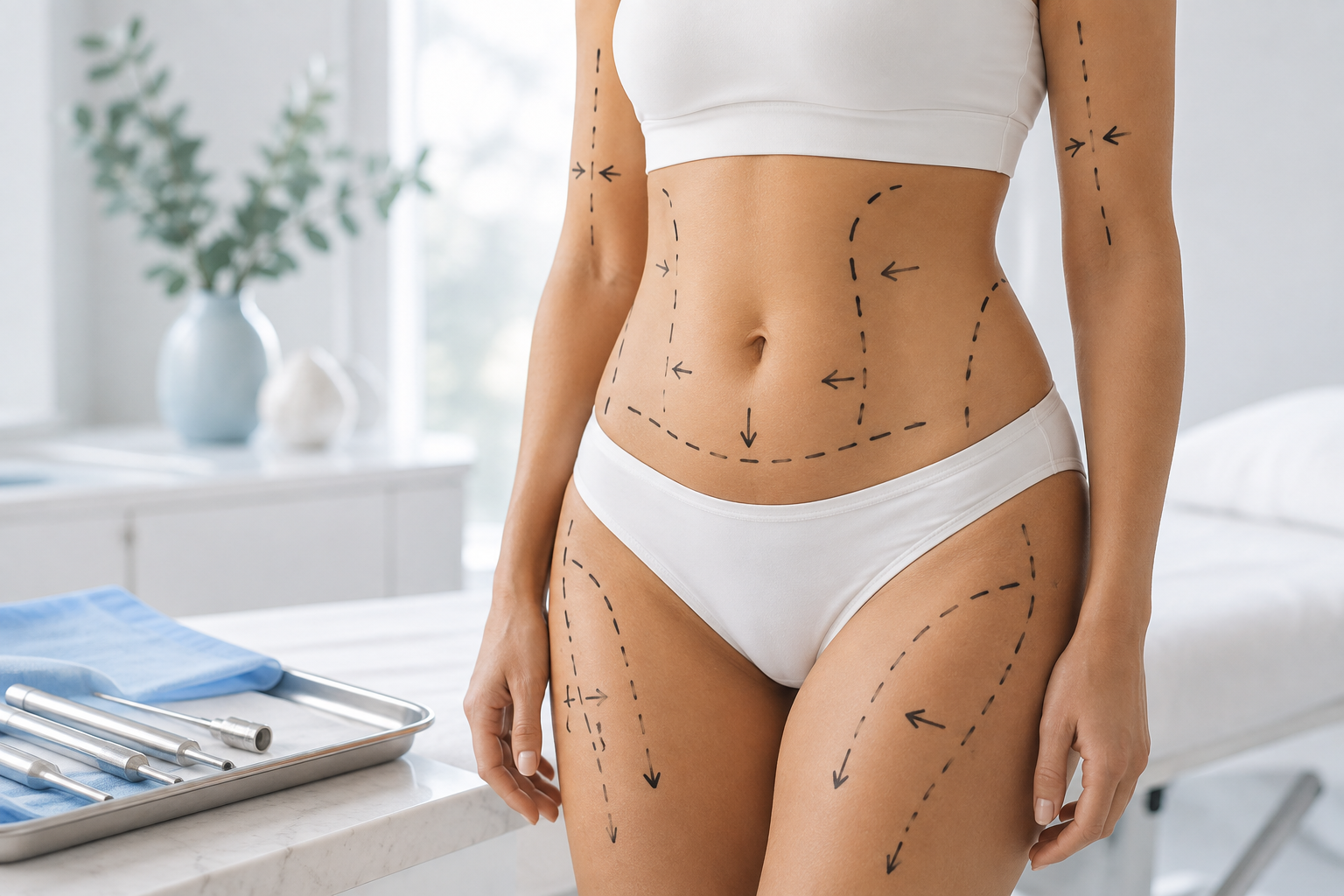
Quick Answer: The best areas for liposuction are usually areas with localized fat and skin that can adjust well after fat removal. Common treatment areas include the stomach and waist, love handles, inner and outer thighs, upper arms, back, and chin or neck. Liposuction changes body contour by removing localized fat, but it does not remove loose skin or treat cellulite, so skin firmness is an important part of deciding whether a particular area is a good candidate.
What Makes a Body Area Respond Well to Liposuction?
A good treatment area usually has a specific pocket of fat that affects the shape or proportions of the body. The skin over that area also matters because it needs to settle around the smaller volume after fat is removed.
Someone may be at a stable weight but still have fullness around the waist, thighs, arms, back, or under the chin. Liposuction can reduce that localized fat, but it cannot correct every cause of an uneven contour. Loose skin, cellulite, and changes in the underlying tissues are separate concerns that can influence the final result.
Which Areas Are Commonly Treated With Liposuction?
Liposuction can be used on several areas where localized fat affects body contour. The best area depends less on its location and more on the amount of fat, skin quality, surrounding proportions, and what is causing the fullness.
| Area | What Liposuction May Change | What May Limit the Result |
| Stomach and waist | Reduces localized fullness and changes waist contour | Stretched abdominal skin |
| Love handles and flanks | Reduces fullness along the sides of the waist | Loose skin |
| Inner and outer thighs | Reduces localized bulges and changes leg contour | Cellulite or loose skin |
| Upper arms | Reduces fatty fullness | Thin or hanging skin |
| Chin and neck | Reduces fullness below the chin | Loose neck skin |
| Back | Reduces localized rolls | Thin or loose skin |
There is no single area that produces the best result for everyone. The cause of the fullness, condition of the skin, and proportions of nearby areas all need to be considered together.
Is the Stomach a Good Area for Liposuction?
The stomach can respond well to liposuction when localized fat is the main concern and the skin can adjust after the volume underneath it is reduced. The waist and nearby flanks may also be considered because body contour depends on how neighboring areas relate to one another.
Pregnancy and major weight changes can make abdominal concerns more complex. Someone may have both excess fat and stretched skin, and liposuction can address only the fat. If loose skin or changes in the abdominal wall contribute significantly to the shape of the abdomen, fat removal alone may not create the expected contour.
Do the Thighs Respond Well to Liposuction?
The inner and outer thighs can respond well when localized fat changes the balance or shape of the legs. The outer thigh, sometimes called the saddlebag area, is one example where fat can affect the transition between the hips and thighs.
Skin texture needs to be considered separately. If an area already has loose skin or cellulite, reducing the fat may make the thigh smaller without making the surface completely smooth.
Does Liposuction Improve Cellulite?
No. Liposuction removes fat beneath the skin rather than treating the structural changes that create cellulite dimples.
A person can have localized thigh fat and cellulite in the same area. Liposuction may improve the overall contour while some dimpling remains, which is why fat volume and skin texture should be evaluated as separate concerns.
How Does a Plastic Surgeon Decide Whether an Area Is a Good Fit?
A plastic surgeon looks at more than the amount of fat in one spot. Fat distribution, skin quality, surrounding body proportions, medical history, previous surgery, and the type of contour change a patient wants can all affect whether liposuction is appropriate for a particular area.
At Weniger Plastic Surgery, Dr. Frederick Weniger also considers whether fat is actually the main cause of the concern. For example, someone with firm abdominal skin and localized fat may have a different treatment plan from someone whose abdominal shape is affected mainly by stretched or loose skin.
Weniger Plastic Surgery uses tumescent liposuction, which involves placing a specialized fluid into the treatment area before fat removal. According to the practice, this fluid helps numb the area, reduce bleeding, and support a controlled surgical process.
Who Is Usually a Good Candidate for Liposuction?
The treatment area is only one part of deciding whether liposuction is appropriate. The procedure is generally better suited to people in good overall health who are at a relatively stable weight and want to change specific areas rather than use surgery as a method of major weight loss.
Skin condition, fat distribution, previous pregnancies or weight changes, scars, medical history, and earlier surgery may all affect the treatment plan. A consultation can help determine whether liposuction is likely to address the concern or whether another body-contouring approach should also be considered.
Why Does Surgeon Experience Matter With Liposuction?
Liposuction involves more than removing a certain amount of fat. Treatment planning affects where fat is removed, how neighboring areas transition into one another, and whether the new contour remains balanced with the rest of the body.
An experienced plastic surgeon can also recognize when fat removal alone may not address the main concern. Skin quality, existing asymmetry, previous surgery, and the proportions of nearby areas can all influence what is realistic for a specific treatment area.
Frequently Asked Questions About Liposuction
How Do You Know if an Area Is Right for Liposuction?
The most useful question is not simply where the fat is located, but what is creating the shape you want to change. Liposuction can reduce localized fat, while loose skin, cellulite, or other structural concerns may need a different approach.
If you are considering liposuction, Dr. Frederick G. Weniger can evaluate the area, skin quality, fat distribution, and overall proportions to explain what liposuction can realistically change.
Call Weniger Plastic Surgery at (843) 757-0123 or schedule a liposuction consultation to discuss the area you want treated.