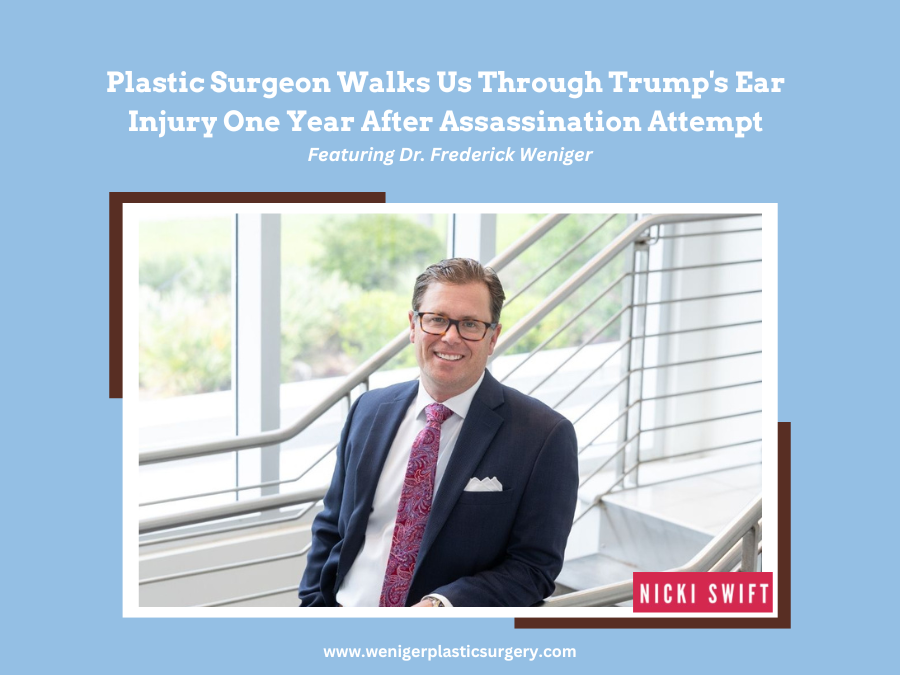
Plastic Surgeon Explains How Trump’s Ear Injury Appeared to Heal One Year After Assassination Attempt
Read the full article here in Nickiswift: Plastic Surgeon Walks Us Through Trump’s Ear Injury One Year After Assassination Attempt
Medical context note: Dr. Frederick Weniger has not treated Donald Trump. His comments were based on publicly available photos and his experience as a plastic surgeon. Only Trump’s treating medical team could confirm the exact injury details, treatment, or recovery process.
Trump’s Close Call: One Year After the Rally Shooting
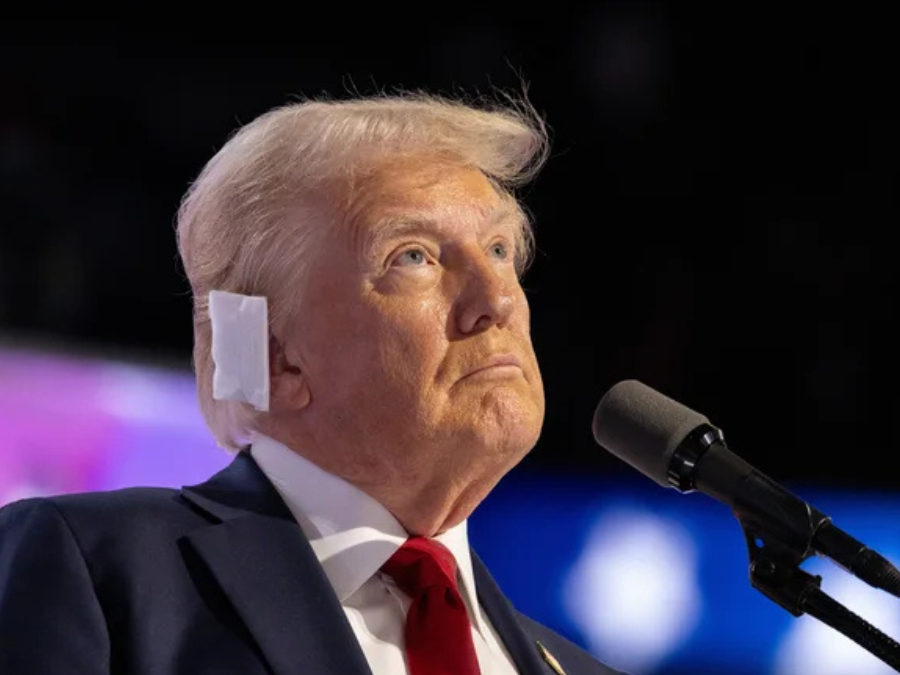
In July 2025, one year after Donald Trump was injured during the July 13, 2024 rally shooting in Butler, Pennsylvania, Nicki Swift asked Dr. Frederick Weniger to review public photos and explain how Trump’s right ear seemed to have healed.
The question drew attention because the injury involved a highly visible area of the face. Even when an ear wound heals well, small changes in shape, color, or texture can remain because the ear has thin skin, visible cartilage, and a curved structure.
Trump was speaking at a campaign rally when 20-year-old Thomas Matthew Crooks fired shots, with one bullet reportedly grazing the upper portion of Trump’s right ear. The incident left many people wondering how an injury like that can heal over time, especially when it affects such a visible part of the face.
Plastic Surgeon Weighs In on Trump’s Healing
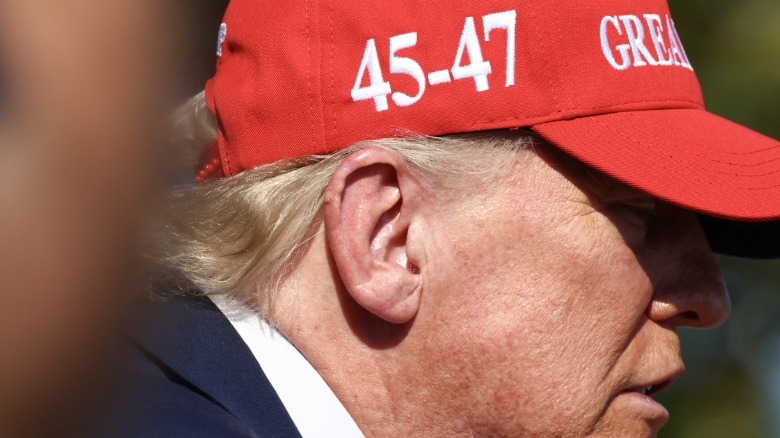
Looking at public photos of Trump at the time of the Nicki Swift article, Dr. Weniger, a board-certified plastic surgeon in South Carolina, said the wound appeared to have healed well.
“The skin looks smooth and there’s no obvious sign of active redness or swelling to suggest healing problems,” he told Nicki Swift. “There is some bumpiness at the back edge of the top of the ear, where the majority of the injury was, and there is also a slight depression in the front where the rim of the ear attaches to the side of the face.”
On closer review, Dr. Weniger noticed a slight distortion along the outer edge of Trump’s ear. The area did not quite match the other side, which he said was likely because some tissue may have been “lost, repaired, or repositioned” as it healed. He also saw a slight difference in color and texture, which could suggest the possibility of skin grafting or flap closure.
Still, Dr. Weniger did not believe any major reconstructive surgery appeared to have been done. Based on what could be seen in public photos, he said there was a good chance the area healed without major reconstruction. Some light makeup may also have been used to soften the look of any remaining mark.
“The final appearance is impressive considering the high-energy injury,” Dr. Weniger said. “The outcome looks stable, and from a distance, most people wouldn’t notice anything unusual.”
What Patients Can Learn From Ear or Facial Scars
Most patients will never deal with an injury as public as Trump’s, but many people do have visible scars after accidents, surgery, piercings, skin cancer removal, or trauma. These marks can change slowly over time, especially on the face or ears, where the skin is thin and small contour changes are easier to see.
How a scar heals can depend on the depth of the wound, whether cartilage was involved, how the area was closed, sun exposure, skin thickness, and each person’s natural healing response.
Early on, a scar may look red, raised, firm, or uneven. Over several months, it may soften, flatten, and fade. Some scars continue to change for a year or longer. If a mark stays noticeable, pulls on nearby tissue, or creates uneven texture, a consultation with a board-certified plastic surgeon can help determine whether scar revision or another treatment may be an option.
The goal is usually not to make a scar disappear completely. The goal is to help the area blend more naturally with the surrounding skin and facial contours.
Trump Recalls the Moment He Was Shot
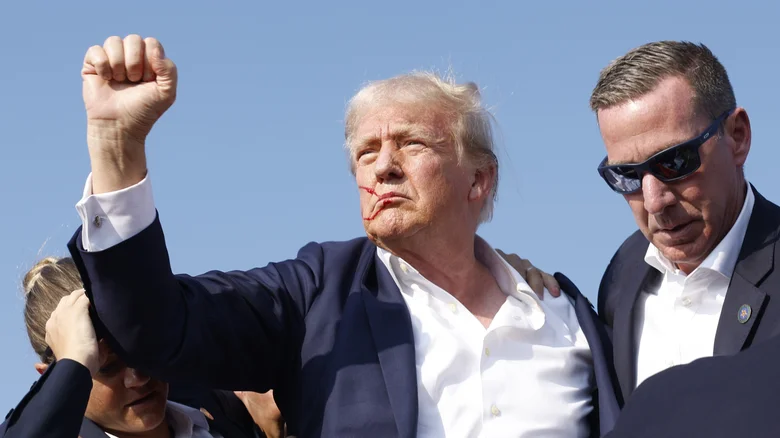
Shortly after the shooting, Trump addressed the incident in a brief statement posted to Truth Social. As reactions poured in after the assassination attempt, he described the moment he realized he had been hit.
“I knew immediately that something was wrong in that I heard a whizzing sound, shots, and immediately felt the bullet ripping through the skin,” Trump wrote. “Much bleeding took place, so I realized then what was happening.”
Additional Details from Dr. Ronny Jackson
Dr. Ronny Jackson also described the injury after Trump attended the 2024 Republican National Convention wearing a small bandage. Speaking on “The Benny Show,” the Texas representative and former White House physician claimed that the bullet tore off the top part of Trump’s right ear, causing heavy bleeding.
He also said Trump came extremely close to being shot in the head and may have survived because he moved at the right moment. “That bullet would have entered his head,” Jackson said. “He would have been dead because of the high-caliber weapon. […] I think there was divine intervention.”
Fallout and Federal Response
Since the attack, six Secret Service personnel were reportedly suspended without pay or benefits in connection with security failures at the rally. CBS News reported that the penalties ranged from 10 to 42 days of leave without pay or benefits.
In clips from his interview on Fox’s “My View with Lara Trump,” Trump said he was pleased with how the investigation into the attempted assassination had been handled.
Despite the close call, Trump said his confidence in federal officials had not changed.
“I have great confidence in these people. I know the people, and they’re very talented, very capable. But they had a bad day,” Trump acknowledged. “I think they’ll admit that. They had a rough day.”
Considering Treatment for a Facial Scar or Ear Injury?
If you have a facial scar, ear injury, torn earlobe, or skin irregularity after trauma, you do not have to guess whether it can be improved. Dr. Frederick Weniger can evaluate the area, explain what may happen with time, and discuss whether nonsurgical care, scar revision, or another treatment approach may be appropriate.
Weniger Plastic Surgery offers consultations for patients who want clearer guidance about visible scars, ear concerns, and other facial changes after injury or surgery.