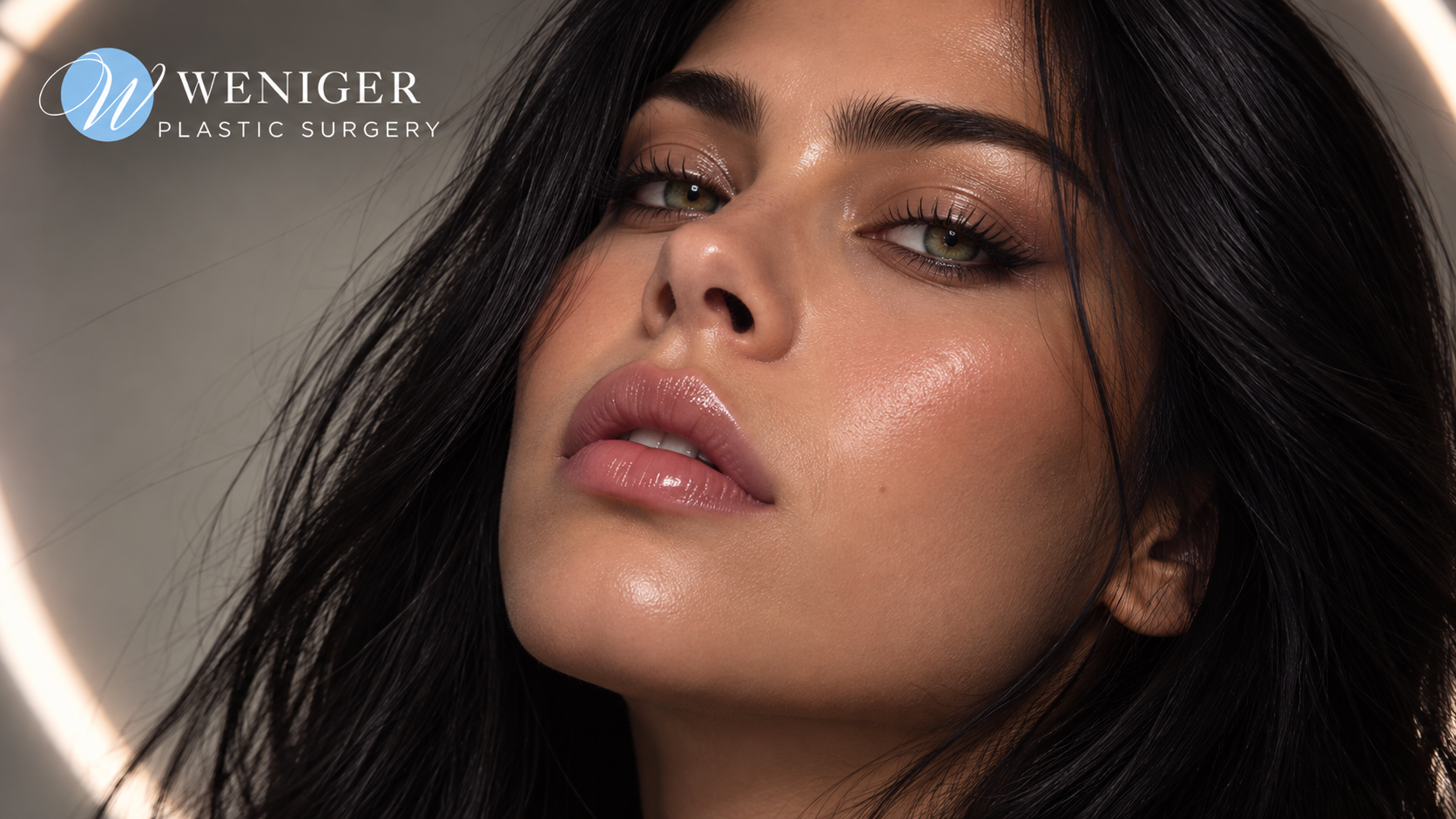
How Rhinoplasty Can Improve Facial Balance

Changing the nose can change the way the entire face looks because the nose sits at the center of the face. Even small changes to the bridge, tip, width, or projection of the nose can affect how the eyes, cheeks, lips, chin, and overall profile appear. Rhinoplasty may help create better facial harmony, but the right approach depends on your anatomy, goals, breathing needs, and consultation findings.

Why the Nose Affects the Whole Face

The nose is one of the most noticeable facial features because it sits in the middle of the face. When the nose feels too large, crooked, wide, narrow, droopy, or out of proportion, it can draw attention away from the rest of the face.

This does not mean every nose needs to be small or perfectly straight. A good rhinoplasty plan should not erase your natural appearance. The goal is usually to create better harmony between the nose and the rest of the face.

For some patients, that may mean smoothing a bump on the bridge. For others, it may mean refining the tip, narrowing the nostrils, improving projection, correcting asymmetry, or addressing changes from an injury.

What Does Facial Balance Mean?

Facial balance means the features of the face work together in a natural-looking way. The nose, eyes, cheeks, lips, jawline, and chin all affect how the face is perceived.

A nose that is too prominent for the face may make other features seem smaller. A nose that lacks projection may affect the side profile. A drooping nasal tip may make the face look heavier or less refreshed. A crooked nose may make the face look less symmetrical, even if the rest of the features are balanced.

Rhinoplasty focuses on the nose, but the planning process often looks at the entire face. This is why rhinoplasty is not only about changing one feature. It is about understanding how one feature affects the full facial picture.

Common Nose Concerns Rhinoplasty May Address

Rhinoplasty may be considered for several cosmetic and functional concerns. Some patients want to improve the appearance of the nose, while others also want to address breathing issues related to nasal structure.

Common concerns include a bump on the bridge, a crooked nose, a wide bridge, a wide nasal base, a bulbous or undefined tip, a drooping tip, an upturned tip, nostril asymmetry, poor projection, or changes caused by injury.

Rhinoplasty may also be discussed when the nose does not feel proportionate to the chin, cheeks, or overall facial profile. In some cases, the surgeon may evaluate whether another facial procedure, such as facial fat grafting or chin balancing, should be discussed to support a more balanced result.

Cosmetic Rhinoplasty vs. Functional Rhinoplasty

Rhinoplasty can be cosmetic, functional, or both. Cosmetic rhinoplasty focuses on improving the size, shape, or proportions of the nose. Functional rhinoplasty focuses on improving nasal airflow when the structure of the nose affects breathing.

Some patients need both. For example, a crooked nose may affect appearance and breathing. A prior injury may change the bridge, tip, or internal nasal support. A consultation can help determine whether the concern is cosmetic, functional, or a combination of both.

It is important to be clear about your goals during consultation. If breathing is a concern, mention it early. A rhinoplasty plan should protect nasal function while addressing cosmetic goals.

How Rhinoplasty Changes the Nose

Rhinoplasty can involve changes to bone, cartilage, skin, and nasal support. The exact approach depends on the patient’s anatomy and goals.

For a bridge bump, the surgeon may smooth or reshape the bridge. For a crooked nose, the plan may involve straightening the nasal framework. For a wide nasal base, the surgeon may discuss narrowing the nostrils or base. For a tip concern, the cartilage may be refined, supported, or repositioned.

Some patients need subtle changes. Others need more complex reshaping, especially if they have had a prior nasal injury, previous surgery, or breathing concerns. The best plan is individualized.

Why Subtle Changes Can Make a Big Difference

Rhinoplasty does not always require dramatic change to improve overall proportion. In many cases, small adjustments can make the face look more harmonious.

A refined bridge may make the eyes stand out more. A better-supported nasal tip may improve the profile. A straighter nose may make the face look more balanced from the front. A more proportionate nose may help the cheeks, lips, and chin feel more connected.

This is why natural-looking rhinoplasty often focuses on proportion rather than perfection. The goal is not to create the same nose for every patient. The goal is to create a nose that fits the individual face.

How Do You Know What Your Nose Needs?

Many patients know they are unhappy with their nose, but they are not sure what specifically bothers them. They may say the nose looks too big, too wide, too long, uneven, or distracting.

A rhinoplasty consultation can help identify the details. Your surgeon may evaluate the bridge, tip, nostrils, nasal base, projection, symmetry, skin thickness, breathing, and how the nose relates to the rest of the face.

Photos may also be used to review the face from different angles. Front-view concerns can be different from profile concerns. A good rhinoplasty plan considers both.

Rhinoplasty and the Facial Profile

The side profile is one of the main reasons patients consider rhinoplasty. A bridge bump, drooping tip, overprojected nose, underprojected nose, or weak nasal support can affect profile balance.

However, the profile is not only about the nose. The chin, lips, forehead, and neck also affect how the nose looks from the side. In some patients, the nose may appear more prominent because the chin is smaller or less projected.

This does not mean every rhinoplasty patient needs another procedure. It simply means the full face should be evaluated as a whole. In some cases, addressing the nose alone may be enough. In others, the surgeon may discuss additional options to improve overall proportion.

What Rhinoplasty Cannot Do

Rhinoplasty can improve nasal shape and overall facial harmony, but it has limits. It cannot make every nose look like a celebrity’s nose, and it should not be planned around copying someone else’s features.

Your skin thickness, cartilage strength, bone structure, facial proportions, and healing response all affect what is possible. A nose that looks balanced on one person may not fit another person’s face.

Rhinoplasty also cannot guarantee perfect symmetry. No face is perfectly symmetrical. The goal should be natural improvement, better proportion, and a nose that fits your features, not an artificial or overly corrected result.

How Long Does It Take to See Rhinoplasty Results?

Rhinoplasty healing happens in stages. Many patients notice early changes after the first phase of swelling improves, but the nose continues to refine over time.

Subtle swelling, especially around the nasal tip, can take longer to settle. This is why rhinoplasty results should not be judged too early. Your surgeon can explain what to expect based on your procedure, skin thickness, nasal structure, and healing pattern.

What to Expect During a Rhinoplasty Consultation

During a rhinoplasty consultation at Weniger Plastic Surgery in Bluffton, SC, your surgeon will review your concerns, goals, health history, nasal structure, breathing symptoms, facial proportions, and prior injuries or surgeries.

You may discuss what bothers you most about your nose, what kind of result would feel natural to you, and whether your concerns are cosmetic, functional, or both. Your surgeon can explain what may be realistic based on your anatomy and healing expectations.

Reviewing before-and-after photos during consultation may also help you understand the surgeon’s style and the types of changes that may be realistic for patients with similar concerns.

Patients from Bluffton, Hilton Head, Beaufort, Savannah, and surrounding Lowcountry communities visit Weniger Plastic Surgery to discuss rhinoplasty and facial balance in a personalized consultation setting.

Questions to Ask Before Rhinoplasty

Before deciding on rhinoplasty, ask what changes may be realistic for your nose, whether your breathing should be evaluated, how your skin thickness may affect the result, and how your nose relates to your full facial structure.

You may also want to ask about recovery, swelling, incision approach, risks, revision possibility, and when you may expect to see your result mature. Pricing can vary based on the procedure, anesthesia, facility fees, and whether functional correction or additional procedures are included.

A consultation should help you understand whether rhinoplasty is appropriate and whether the timing, recovery, and expected outcome fit your goals.

FAQs About Rhinoplasty and Facial Balance

Yes. Because the nose sits at the center of the face, changes to its size, shape, width, or projection can affect how the eyes, cheeks, lips, chin, and facial profile appear.

It depends on the patient. The bridge, tip, nostrils, width, projection, and symmetry can all affect facial balance. A consultation can help identify which areas matter most for your face.

Rhinoplasty may improve facial harmony when the nose is out of proportion with the rest of the face. The goal should be natural-looking balance, not changing your identity.

In some cases, yes. If nasal structure affects airflow, functional correction may be discussed. Patients should tell their surgeon if they have breathing problems, prior nasal injury, or difficulty breathing through one or both sides of the nose.

Early changes may be visible after initial swelling improves, but rhinoplasty results continue to refine over time. Your surgeon can explain what to expect based on your procedure and healing pattern.

Schedule a Rhinoplasty Consultation in Bluffton, SC

If your nose affects how balanced your face looks, a rhinoplasty consultation can help you understand what may be possible. Weniger Plastic Surgery in Bluffton, SC can evaluate your nasal structure, facial proportions, breathing concerns, recovery timeline, and goals to help determine whether rhinoplasty may be appropriate.